251 Chenyong Section, 325 National Road, Chenyong Community, Longjiang Town, Shunde District, Foshan City, Guangdong Province, China +86-18022753686 modernfurniture@gdnorler.com
Follow Us -
News

What Complementary Furniture Makes an Outdoor Space Feel Finished?

2026-05-14 0 Leave me a message

Article Summary: Complementary Furniture is often the difference between an outdoor area that simply contains seating and one that truly feels complete. From ottomans and footstools to leisure chairs, side tables, poufs, benches, and flexible accent pieces, these supporting items solve real problems: limited space, awkward layouts, poor comfort, mismatched styles, and furniture that cannot adapt to different scenes. This article explains how to choose Complementary Furniture for patios, gardens, balconies, poolside areas, resorts, cafés, and commercial leisure spaces, with practical guidance on materials, layout planning, comfort, durability, and purchasing decisions.

Article Outline

  • Define the role of Complementary Furniture in outdoor spaces.
  • Explain common customer pain points such as matching, durability, comfort, and layout flexibility.
  • Compare popular product types including ottomans, stools, leisure chairs, side tables, benches, and accent seating.
  • Introduce outdoor-friendly materials such as aluminum, PE rattan, rope weaving, waterproof fabric, teak wood, and high-density filling.
  • Provide practical purchasing checks for residential and commercial buyers.
  • Offer placement ideas for balconies, courtyards, gardens, poolside areas, resorts, and hospitality projects.
  • Answer frequently asked buyer questions.

What Makes Complementary Furniture So Important in Outdoor Living?

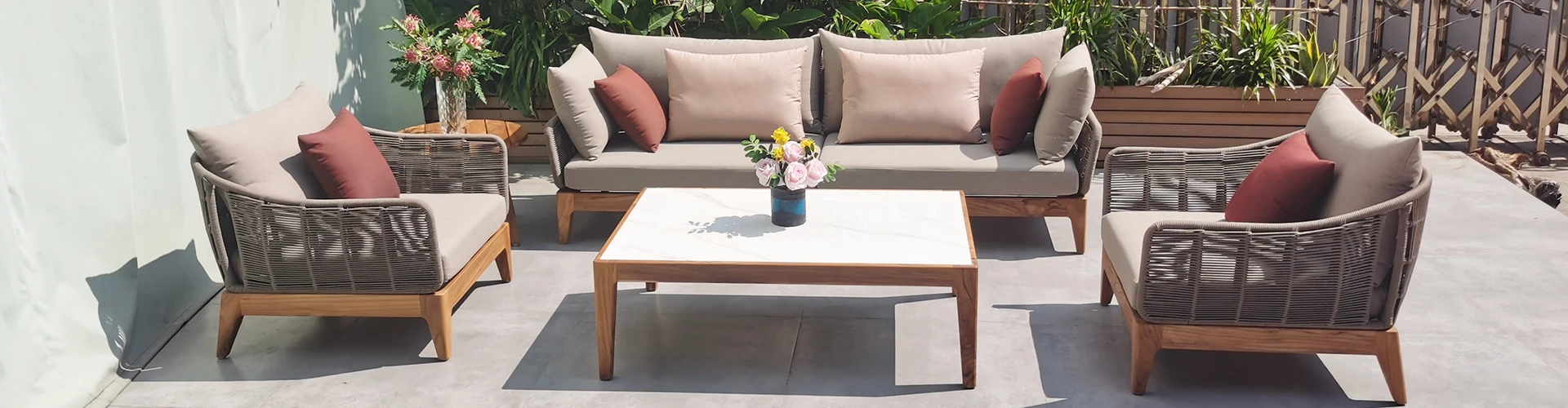
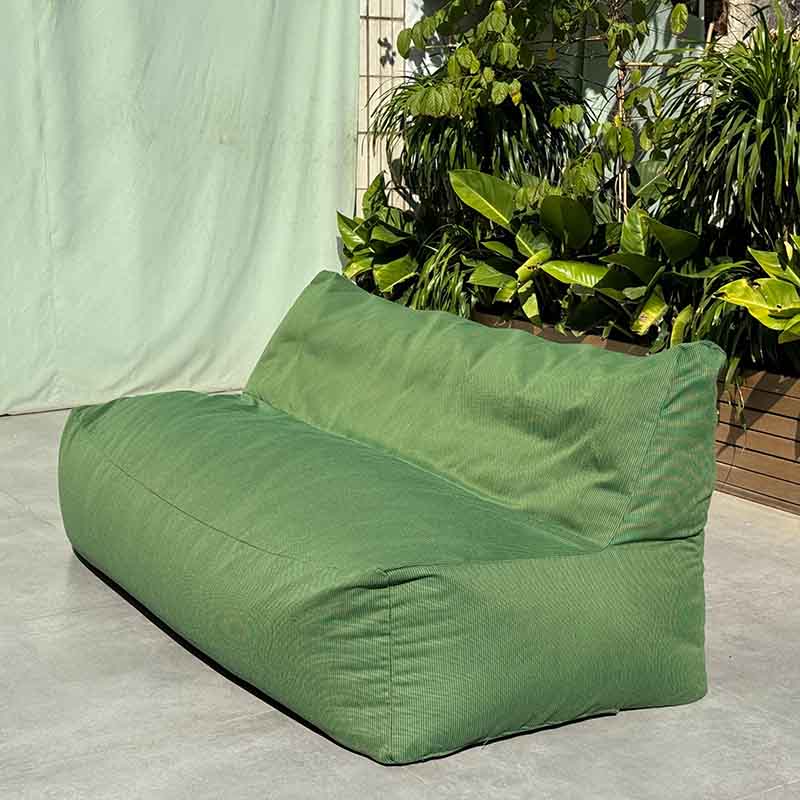
Complementary Furniture

Outdoor spaces are no longer treated as empty extensions of a house, hotel, café, resort, or commercial property. People want these areas to feel usable, comfortable, and visually connected to the rest of the environment. A sofa set may provide the main seating, and a dining set may support meals, but the space can still feel unfinished without the smaller supporting pieces that make daily use easier.

This is where Complementary Furniture becomes valuable. It helps complete the outdoor scene by adding comfort, flexibility, convenience, and personality. A footstool can turn a standard chair into a relaxing lounge seat. A small side table can hold drinks beside a sun lounger. A lightweight pouf can become extra seating when guests arrive. A rattan leisure chair can fill an empty garden corner and make it feel intentional rather than forgotten.

For many buyers, the real challenge is not buying one beautiful product. The harder part is making every item work together. The wrong accent furniture can create clutter, block walkways, fade quickly under sunlight, or look disconnected from the main furniture set. Well-chosen Complementary Furniture avoids these problems by supporting the main layout instead of competing with it.

Foshan Norler Furniture Co., Ltd. focuses on outdoor furniture solutions designed for courtyards, balconies, terraces, gardens, poolside areas, and leisure scenes. When selecting Complementary Furniture, the goal should not be to simply add more items. The goal is to make the outdoor area easier to use, more comfortable to stay in, and more visually balanced.

What Problems Does Complementary Furniture Solve for Buyers?

Customers often realize they need Complementary Furniture only after the main furniture has already been installed. A patio sofa looks good, but there is nowhere to rest the feet. A balcony chair is comfortable, but there is no small table for coffee. A poolside area has loungers, but guests need movable seats for conversation. These are not minor details. They directly affect how often the space is used.

For homeowners, the pain point is usually comfort and matching. They want outdoor furniture that looks coordinated without spending too much time comparing every piece. For hotels, restaurants, villas, and project buyers, the pressure is greater. They need furniture that looks consistent across many areas, resists weather conditions, and remains practical after repeated daily use.

Good Complementary Furniture solves several common problems:

  • Incomplete comfort: Ottomans, footstools, and soft stools improve relaxation without replacing the main seating.
  • Poor space efficiency: Compact accent pieces can serve multiple purposes in small patios or balconies.
  • Layout stiffness: Movable chairs, stools, and tables allow the outdoor area to adapt to different activities.
  • Visual imbalance: Coordinated materials and colors make the full space look planned rather than randomly assembled.
  • Guest overflow: Extra lightweight seating helps when more people arrive than expected.
  • Low usability: Side pieces make everyday activities easier, from reading and drinking coffee to chatting and sunbathing.

In short, Complementary Furniture gives the outdoor area a better rhythm. It fills the gap between design and real use.

What Types of Complementary Furniture Should Be Considered?

Different outdoor areas need different supporting furniture. A small balcony does not require the same pieces as a resort poolside area. A private garden may focus on comfort and mood, while a commercial café may care more about durability, easy movement, and fast cleaning.

Furniture Type Best Use Buyer Benefit
Outdoor Ottoman Patio sofas, lounge chairs, poolside seating Adds leg support, extra seating, and a relaxed atmosphere
Footstool Garden chairs, rope chairs, rattan chairs Improves comfort while keeping the layout compact
Leisure Chair Balconies, terraces, courtyards, reading corners Creates a dedicated rest area without needing a full sofa set
Side Table Beside loungers, sofas, hanging chairs, and dining corners Provides convenient space for drinks, books, phones, or décor
Outdoor Stool Small spaces, temporary seating, flexible arrangements Easy to move, store, and reuse in different settings
Bench Gardens, entrance areas, public leisure zones Adds seating capacity while keeping a clean visual line

The best choice depends on how people will move, sit, gather, and rest in the space. For example, a balcony may only need one compact chair and one small table. A villa garden may need ottomans, side tables, and several flexible stools. A resort project may need a full set of supporting items that can be repeated across different areas while still looking consistent.

Practical buying tip: Before choosing Complementary Furniture, imagine the space during real use. Where will guests put their drinks? Where will they stretch their legs? What happens when two more people join the conversation? These questions reveal which pieces are truly necessary.

What Materials Work Best for Outdoor Complementary Furniture?

Material choice is one of the most important decisions when buying outdoor Complementary Furniture. Outdoor furniture faces sunlight, humidity, temperature changes, rain, dust, and frequent movement. A product that looks attractive indoors may fail quickly outdoors if the materials are not designed for exposed conditions.

Common outdoor-friendly materials include aluminum alloy, PE rattan, rope weaving, waterproof fabric, teak wood, high-density foam, and EPS particle filling. Each has its own advantages. Aluminum is lightweight, rust-resistant, and easy to move. PE rattan brings a natural woven look while offering better outdoor resistance than traditional natural rattan. Rope weaving creates a modern relaxed style and works well with many sofa and chair designs. Waterproof fabric improves daily usability, especially for stools, cushions, and poufs.

Material Main Advantage Suitable Products
Aluminum Alloy Lightweight, rust-resistant, stable for outdoor frames Chairs, tables, footstools, sofa modules
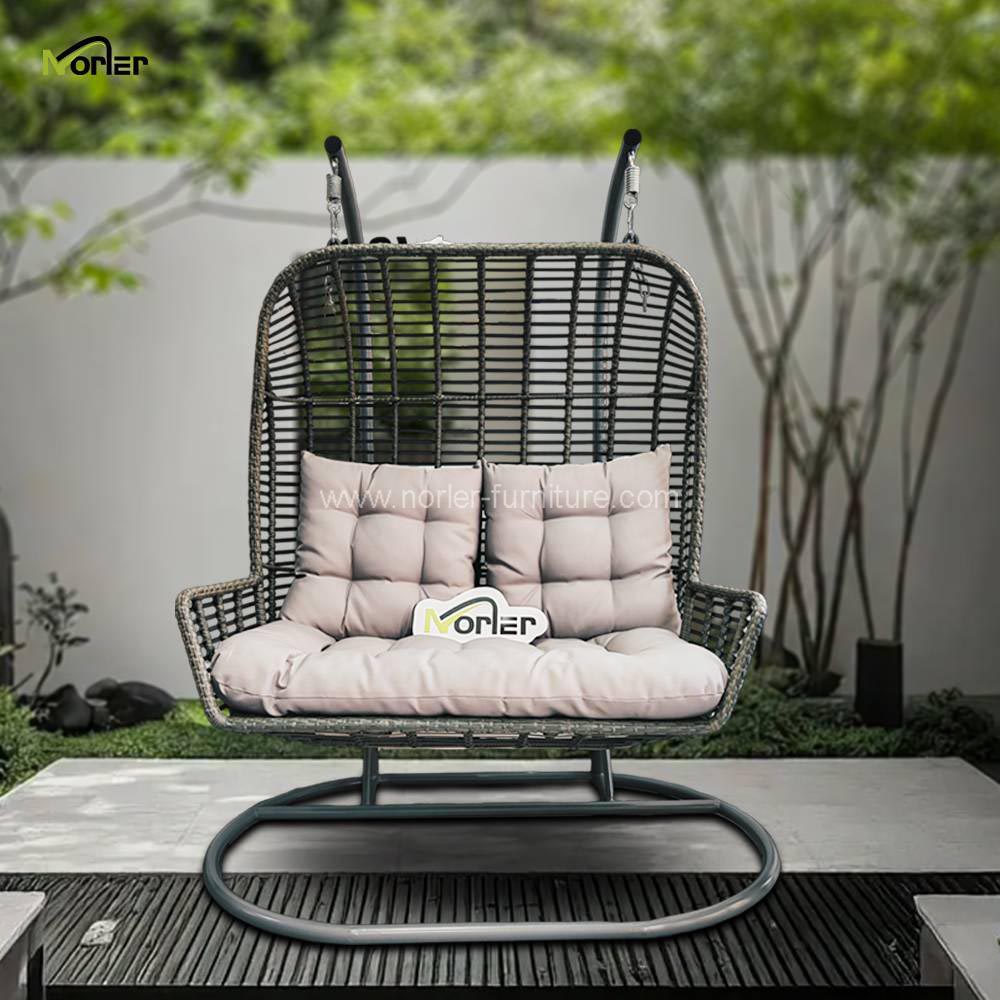
PE Rattan Decorative woven texture with better weather performance Leisure chairs, stools, benches, accent seating
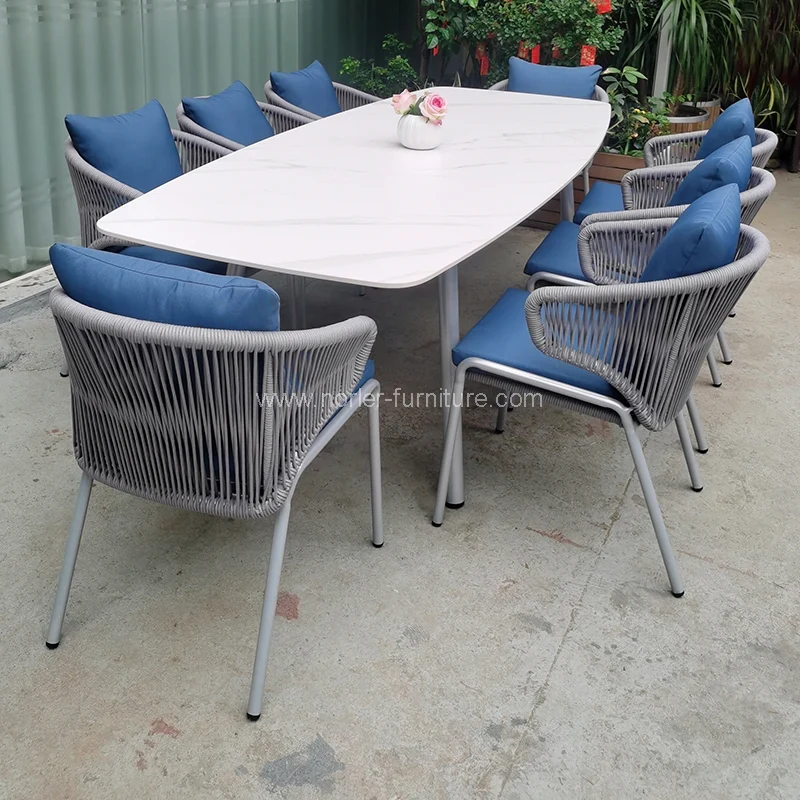
Outdoor Rope Modern appearance, breathable structure, stylish texture Footstools, chairs, lounge accents
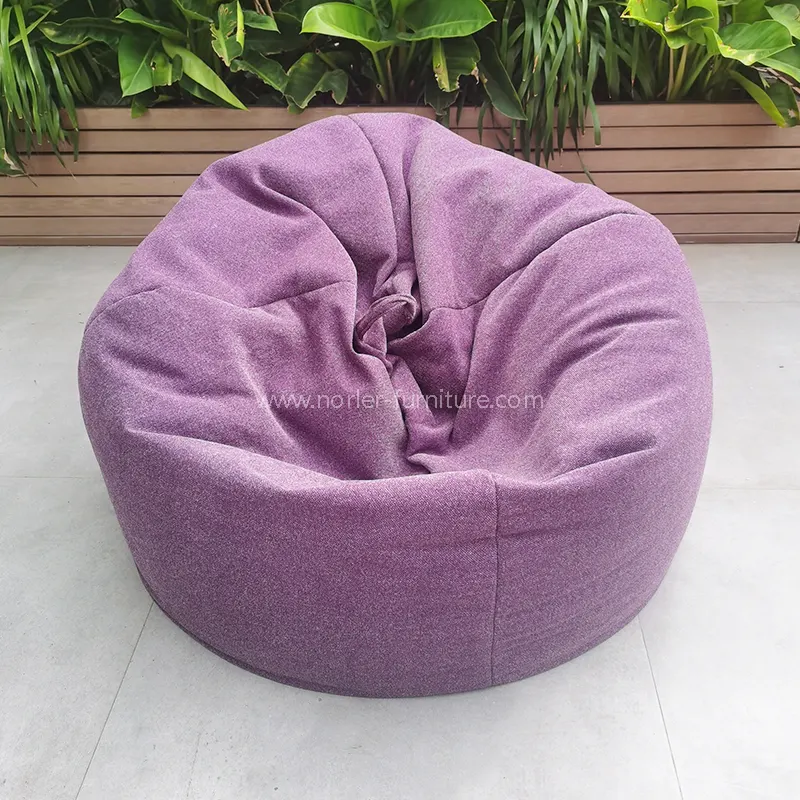
Waterproof Fabric Comfortable surface, easier outdoor use, soft touch Ottomans, cushions, poufs, lazy stools
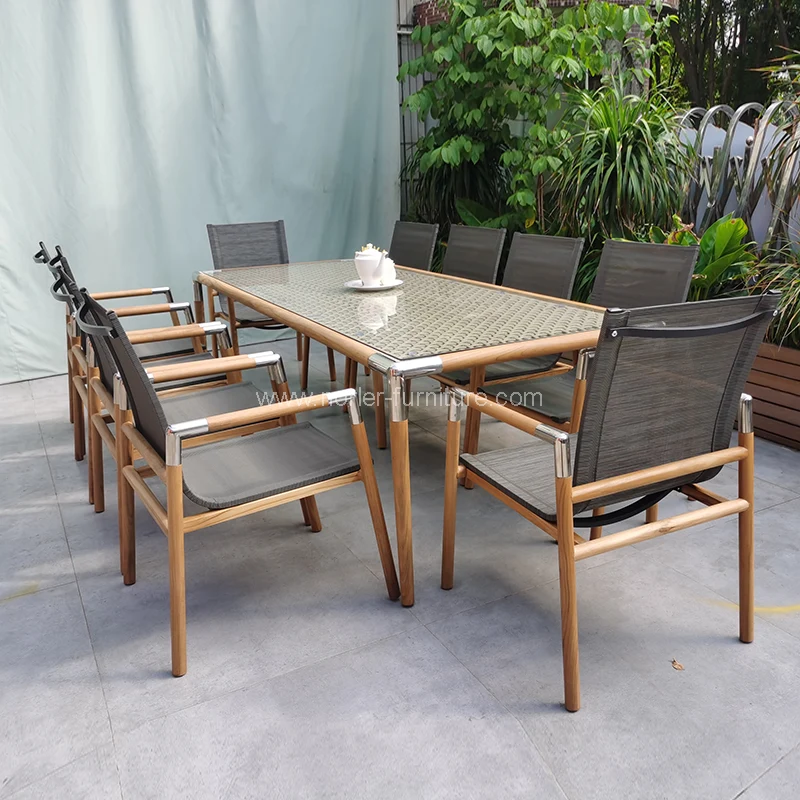
Teak Wood Warm natural look, strong outdoor character Tables, benches, premium accent pieces
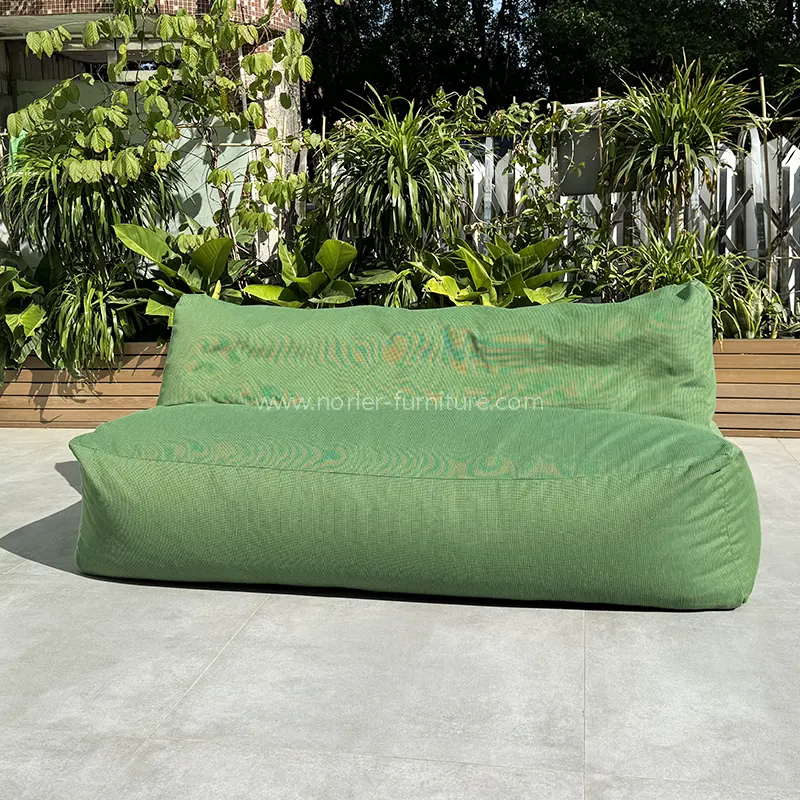
EPS Particle Filling Soft, lightweight, flexible for casual seating Lazy sofas, poufs, cushion stools

Buyers should avoid choosing by appearance alone. A beautiful footstool that absorbs water too easily, fades fast, or becomes unstable after several months will create more trouble than value. The right Complementary Furniture should combine appearance, comfort, structure, and weather resistance.

What Should Buyers Check Before Placing an Order?

When buying Complementary Furniture for a home or commercial project, the details matter. A product may look suitable in photos, but the final experience depends on size, material, structure, maintenance, packaging, and whether it fits the existing furniture style.

Before placing an order, buyers should check the following points:

  1. Space size: Measure the available area and leave enough room for walking paths.
  2. Usage frequency: High-traffic commercial areas require stronger structures and easier cleaning.
  3. Weather exposure: Poolside, seaside, and open garden spaces need better resistance to moisture and sunlight.
  4. Color coordination: Choose tones that match the main sofa, dining set, flooring, wall color, or landscape design.
  5. Weight and movement: Lightweight pieces are easier to reposition, while heavier items may feel more stable.
  6. Comfort level: Check cushion thickness, seat height, fabric feel, and ergonomic support.
  7. Cleaning method: Outdoor furniture should be easy to wipe, dry, and maintain.
  8. Supplier capability: For project buyers, stable production, customization support, and consistent quality are essential.

For bulk buyers, it is also wise to consider whether the supplier can provide coordinated furniture collections. This reduces the risk of color mismatch, inconsistent dimensions, or mixed design styles. A full outdoor area looks more polished when its main furniture and complementary pieces share a clear design language.

What Layout Ideas Help Complementary Furniture Look Natural?

Complementary Furniture should never feel like an afterthought. It should look as if it belongs to the space from the beginning. One of the easiest ways to achieve this is to place each item according to a real function.

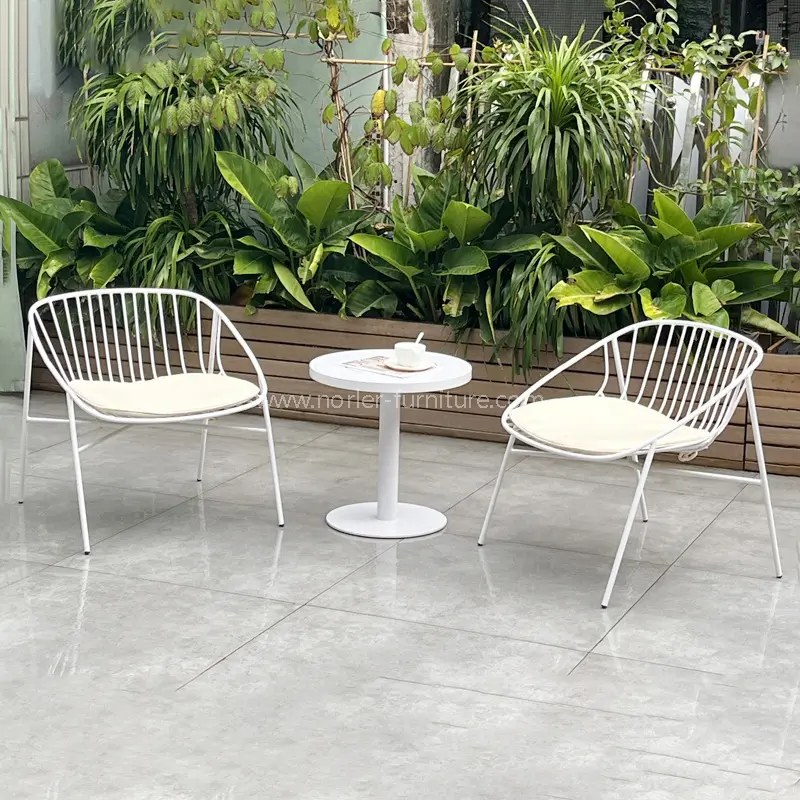
For a patio sofa area, place ottomans close enough for leg support but not so close that movement becomes difficult. Add a side table near the armrest rather than in the middle of a walkway. For a balcony, use one compact leisure chair with a small table to create a private coffee corner. For poolside areas, pair sun loungers with lightweight side tables so guests can keep personal items nearby. For gardens, use benches or accent chairs to create quiet resting points along the landscape.

Here are a few layout ideas that work well:

  • Conversation corner: Use two leisure chairs, one side table, and one footstool to create a compact social area.
  • Relaxed lounge zone: Pair outdoor sofas with ottomans and soft stools for a slower, more comfortable atmosphere.
  • Small balcony setup: Choose foldable or compact Complementary Furniture to avoid overcrowding.
  • Poolside comfort area: Add waterproof stools or side tables beside sun loungers for convenience.
  • Garden rest point: Place a bench or rattan chair where people naturally pause to enjoy the view.

The secret is restraint. Not every empty space needs furniture. A well-designed outdoor area uses Complementary Furniture to improve movement, comfort, and visual balance without making the setting feel crowded.

What Mistakes Should Be Avoided?

Many buyers make the same mistake: they choose Complementary Furniture only because it looks attractive in a product photo. But outdoor spaces are practical environments. Furniture must survive real weather, real people, and real daily habits.

The first mistake is buying pieces that are too large. A big ottoman may look luxurious, but if it blocks the walking path, it quickly becomes annoying. The second mistake is ignoring material performance. Indoor-style fabric, untreated metal, or weak frames can lead to fading, rust, deformation, or poor stability. The third mistake is mixing too many styles. A space with modern aluminum sofas, rustic wooden tables, bright plastic stools, and heavy traditional chairs may feel visually confused.

Another common mistake is forgetting maintenance. Outdoor furniture should not require complicated care every time it rains. Buyers should look for pieces that can be cleaned easily, moved when necessary, and stored or covered during harsh weather.

For commercial projects, the biggest mistake is choosing products without considering repeated use. A hotel terrace, restaurant patio, or resort lounge area needs Complementary Furniture that can handle frequent sitting, moving, cleaning, and rearranging. In these cases, durability and supplier reliability matter as much as style.

What Makes a Reliable Complementary Furniture Supplier Worth Choosing?

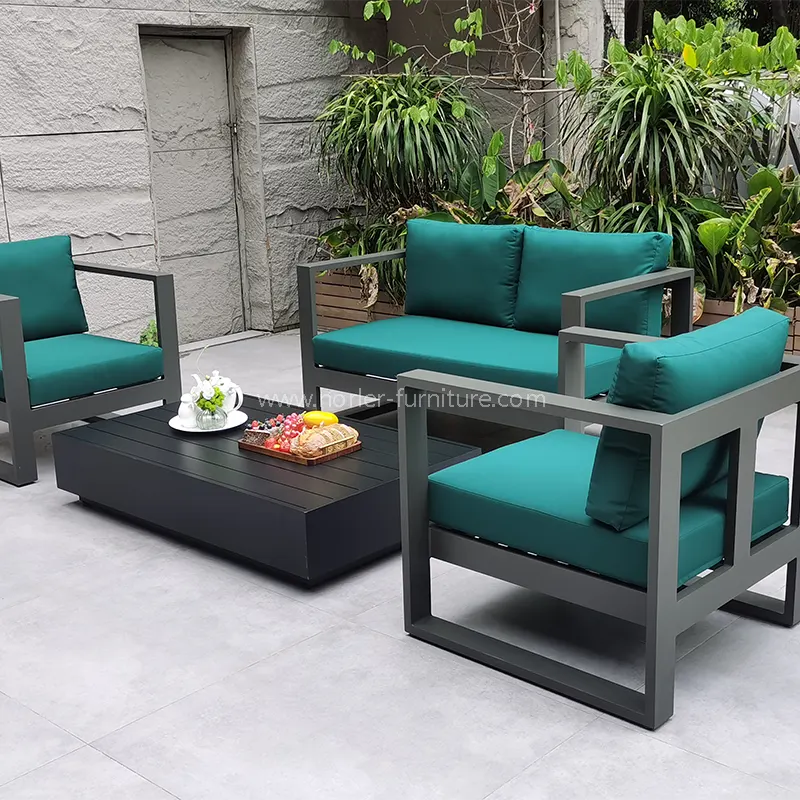
Complementary Furniture

A reliable supplier does more than provide products. The right supplier helps buyers reduce selection risks, match furniture styles, understand material options, and plan for real outdoor use. This is especially important for project buyers who need consistency across multiple areas.

Foshan Norler Furniture Co., Ltd. offers outdoor furniture categories that include sofa sets, dining sets, table and chair combinations, sun loungers, hanging chairs, parasols, and Complementary Furniture. This broad product range makes it easier for buyers to coordinate complete outdoor scenes rather than sourcing unrelated pieces from different suppliers.

When evaluating a supplier, buyers should look for clear product information, stable manufacturing ability, material knowledge, customization support, and responsive communication. A good supplier should understand not only how furniture looks, but also how it performs in courtyards, balconies, terraces, gardens, poolside areas, and commercial leisure spaces.

For Complementary Furniture, this support is especially useful because small pieces must match both style and function. An ottoman that is too high, a stool that is too light, or a chair that does not match the main sofa height can affect the whole user experience. Careful supplier guidance helps prevent these problems before purchase.

FAQ About Complementary Furniture

What is Complementary Furniture?

Complementary Furniture refers to supporting furniture pieces that complete a main outdoor setup. Examples include ottomans, footstools, side tables, stools, benches, leisure chairs, and soft accent seating. These pieces improve comfort, convenience, flexibility, and visual harmony.

What is the best Complementary Furniture for a small balcony?

For a small balcony, compact pieces usually work best. A lightweight leisure chair, a small side table, or a soft stool can provide comfort without making the area feel crowded. Buyers should choose furniture that is easy to move and does not block the doorway or walking path.

What materials are suitable for outdoor Complementary Furniture?

Suitable materials include aluminum alloy, PE rattan, outdoor rope, waterproof fabric, teak wood, and outdoor-grade cushion materials. The best choice depends on the climate, usage frequency, style preference, and whether the furniture will be used in residential or commercial spaces.

What should hotels and resorts consider when buying Complementary Furniture?

Hotels and resorts should pay attention to durability, easy cleaning, color consistency, comfort, and repeatable supply. Furniture may be used by many guests every day, so stable structure and weather-resistant materials are important.

What is the difference between an ottoman and a footstool?

An ottoman is often larger and can be used as leg support, casual seating, or a decorative accent. A footstool is usually smaller and mainly designed to support the feet. Both can be useful, but the best option depends on available space and seating style.

What colors are safest for outdoor Complementary Furniture?

Neutral colors such as beige, gray, brown, black, cream, and natural wood tones are often easier to match with outdoor sofa sets and dining furniture. For a more lively look, accent colors can be used in cushions or small movable pieces.

What is the easiest way to avoid mismatched outdoor furniture?

The easiest way is to select main furniture and complementary pieces from a supplier with coordinated product categories. Matching frame materials, fabric tones, weaving styles, and proportions helps the outdoor area look more complete.

Conclusion

Complementary Furniture may seem secondary at first, but it often decides whether an outdoor space feels comfortable, practical, and complete. The right ottoman, footstool, leisure chair, bench, side table, or soft stool can solve everyday problems that main furniture alone cannot handle. It gives people a place to rest their feet, set down a drink, create an extra seat, or enjoy a quiet corner outdoors.

For homeowners, Complementary Furniture makes patios, balconies, courtyards, and gardens easier to enjoy. For commercial buyers, it helps create outdoor areas that are more welcoming, flexible, and visually consistent. The key is to choose pieces that match the space, support real usage, and withstand outdoor conditions.

By working with an experienced outdoor furniture supplier such as Foshan Norler Furniture Co., Ltd., buyers can build a more complete outdoor furniture plan with better material coordination, stronger visual consistency, and practical product choices for different leisure scenes.

Ready to Complete Your Outdoor Space?

If you are planning a patio, garden, balcony, poolside, resort, café, or commercial leisure project, choosing the right Complementary Furniture can make the whole space feel more comfortable and finished. For product options, material suggestions, project matching, or customized outdoor furniture solutions, please contact us today and let our team help you create an outdoor setting that works beautifully in real life.

Related News
Leave me a message
X
We use cookies to offer you a better browsing experience, analyze site traffic and personalize content. By using this site, you agree to our use of cookies.Privacy Policy
RejectAccept